Author name: Admin102

Uncategorized

Best Dental Doctors in Dhaka – Fair Dental Care

When it comes to oral health, finding the best dental doctor in Dhaka can make all the difference in your smile and overall confidence. Among the top-rated dentists in the city, Dr. Md. Ziauddin Sayem, the lead dental surgeon at Fair Dental Care, stands out for his exceptional expertise, advanced treatment methods, and patient-centered approach. 🦷 About Dr. Md. Ziauddin Sayem Dr. Md. Ziauddin Sayem is a highly qualified and experienced dental surgeon with an impressive professional background: BDS (D.D.C) MPH (Preventive Dentistry) Advanced Training in Endodontics & Dental Implants (Thailand) Assistant Professor — City Dental College Ex-Consultant Dental Surgeon — Z.H. Sikder Women’s Medical College & Hospital BMDC Reg. No: 2828 With years of clinical experience and academic excellence, Dr. Sayem has helped countless patients restore their smiles through modern, painless, and effective dental treatments. 🏥 Why Choose Fair Dental Care Located conveniently in Dhaka, Fair Dental Care is one of the most trusted dental clinics in Bangladesh. The clinic is known for its state-of-the-art technology, high hygiene standards, and compassionate care. Key Services Offered: Root Canal Treatment (RCT) Dental Implants Cosmetic Dentistry Teeth Scaling & Whitening Orthodontic Treatment (Braces) Tooth Extraction & Oral Surgery Pediatric Dentistry Preventive Dental Care At Fair Dental Care, every treatment is customized to the patient’s needs — ensuring comfort, precision, and lasting results. 🌟 Why Dr. Ziauddin Sayem is Among the Best Dental Doctors in Dhaka Advanced Expertise: Specialized training in Thailand on dental implants and endodontics. Academic Excellence: Assistant Professor at City Dental College — contributing to dental education in Bangladesh. Patient Satisfaction: Known for his gentle hands, clear explanations, and caring attitude. Modern Equipment: Fair Dental Care uses digital X-rays, sterilized tools, and advanced treatment techniques. Affordable & Transparent Pricing: Quality dental care at reasonable costs with no hidden fees. 💬 Patient Testimonials Patients consistently praise Dr. Sayem for his professionalism and friendly behavior: “Dr. Sayem is the best dentist I’ve ever visited. He explained every step and made the treatment totally pain-free.”“The clinic is clean, modern, and affordable. Highly recommended!” 📍 Visit Fair Dental Care If you’re searching for the best dental doctor in Dhaka, visit Fair Dental Care for a professional consultation with Dr. Md. Ziauddin Sayem. Clinic Name: Fair Dental Care Address: 18/D, Rankin Street (1st Floor), Wari, Dhaka-1203 (North side from Wari Post Office) Website: https://fairdentalcarebd.com Phone: +88 01911-674417 Email: dr.sayemzia@gmail.com Your smile deserves expert care — trust Fair Dental Care for healthy teeth and lasting confidence.
Uncategorized

Best Dental Care in Wari, Dhaka – Fair Dental Care

If you’re looking for the best dental care in Wari, Dhaka, you’ll find world-class treatment and compassionate service at Fair Dental Care. Led by the renowned Dr. Md. Ziauddin Sayem, the clinic is known for providing advanced, affordable, and painless dental treatments for patients of all ages. 🦷 About Fair Dental Care Fair Dental Care is a modern dental clinic located at the heart of Wari, Dhaka. The clinic offers a full range of dental services — from preventive care to advanced cosmetic and restorative procedures — all under one roof. With a strong focus on hygiene, precision, and patient comfort, Fair Dental Care has earned a reputation as one of the most trusted dental clinics in Dhaka. 👨‍⚕️ About Dr. Md. Ziauddin Sayem Dr. Md. Ziauddin Sayem is a highly qualified and experienced dental surgeon with extensive training in both Bangladesh and abroad. Qualifications: BDS (D.D.C) MPH (Preventive Dentistry) Advanced Training in Endodontics & Dental Implants (Thailand) Assistant Professor — City Dental College Ex-Consultant Dental Surgeon — Z.H. Sikder Women’s Medical College & Hospital BMDC Reg. No: 2828 Dr. Sayem is well-known for his patient-friendly approach, expert diagnosis, and gentle treatment methods, making dental visits stress-free for everyone. 🏥 Our Services Fair Dental Care offers a comprehensive range of treatments including: Root Canal Treatment (RCT) Dental Implants Scaling and Polishing Cosmetic Dentistry (Smile Makeover, Teeth Whitening, Veneers) Orthodontic Treatment (Braces) Tooth Extraction & Oral Surgery Pediatric Dentistry Preventive and Restorative Dentistry Each treatment is performed using the latest dental technology to ensure accuracy, safety, and lasting results. 🌟 Why Patients Choose Fair Dental Care Expert care from a trusted dental surgeon Clean and sterilized environment Modern equipment and painless treatment options Affordable pricing and clear communication Warm and caring staff ensuring patient comfort 💬 What Patients Say “The best dental clinic in Wari! Dr. Sayem is very skilled and kind — my root canal was completely painless.”“Fair Dental Care is clean, affordable, and professional. I finally found a dentist I can trust.” 📍 Visit Fair Dental Care Today Take the first step toward a healthy and confident smile with the best dental care in Wari, Dhaka. Clinic Name: Fair Dental CareAddress: 18/D, Rankin Street (1st Floor), Wari, Dhaka-1203(North side from Wari Post Office)Website: https://fairdentalcarebd.comPhone: +88 01911-674417Email: dr.sayemzia@gmail.com

Smile Designing
Smile Designing

Smile Designing: Creating the Perfect Smile

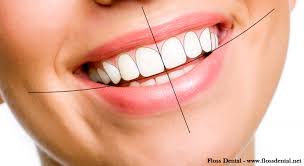
Smile designing is a customized dental treatment plan that focuses on improving the overall aesthetics of your smile. It combines various cosmetic and restorative procedures to address issues like tooth alignment, discoloration, gaps, or gum irregularities, creating a harmonious and confident smile. What Is Smile Designing? Smile designing is a multidisciplinary approach that tailors dental procedures to your unique facial features, oral health, and personal preferences. Using advanced technology and techniques, dentists analyze factors like tooth size, shape, color, and symmetry to design a smile that complements your face. Who Needs Smile Designing? Smile designing is ideal for individuals who: Have chipped, cracked, or worn teeth. Are dissatisfied with the color or shape of their teeth. Want to correct gaps, misalignments, or crooked teeth. Wish to improve gum symmetry or address a gummy smile. Are preparing for significant life events like weddings or public appearances. The Smile Designing Process Consultation and Analysis: The dentist conducts a detailed evaluation of your facial features, teeth, gums, and jaw structure. Digital tools or mock-ups may be used to visualize the expected outcome. Digital Smile Design (DSD): Advanced software helps create a 3D model of your face and teeth to plan the procedure with precision. You can preview your new smile before the actual treatment begins. Customized Treatment Plan: Based on your needs, the dentist selects a combination of procedures to achieve the desired results. Execution: Procedures are carried out over multiple sessions, depending on the complexity of the case. Procedures Involved in Smile Designing Teeth Whitening: Brightens discolored or stained teeth for a more vibrant smile. Dental Veneers: Custom-made shells are bonded to the front of teeth to enhance their shape, size, and color. Orthodontic Treatment: Braces or clear aligners like Invisalign straighten crooked or misaligned teeth. Dental Implants: Replace missing teeth with natural-looking, permanent restorations. Tooth Contouring and Reshaping: Alters the shape of teeth for a more symmetrical appearance. Gum Contouring: Reshapes the gum line to correct uneven gums or a gummy smile. Crowns and Bridges: Restore damaged or missing teeth to improve both function and aesthetics. Smile Makeover: A comprehensive plan combining multiple procedures for a complete transformation. Benefits of Smile Designing Enhanced Aesthetics: Improves the color, shape, size, and alignment of teeth, resulting in a flawless smile. Boosts Confidence: A beautiful smile can enhance self-esteem and positively impact social and professional interactions. Tailored Solutions: Each treatment is customized to match your facial features and preferences. Functional Improvements: Correcting bite issues or replacing missing teeth improves oral functionality. Long-Lasting Results: With proper care, the results of smile designing can last for years. How to Care for Your New Smile Maintain Oral Hygiene: Brush twice daily, floss regularly, and use an antibacterial mouthwash. Avoid Staining Foods: Limit coffee, tea, red wine, and tobacco to prevent discoloration. Regular Dental Checkups: Visit your dentist every six months for cleanings and checkups. Protect Your Teeth: Wear a mouthguard if you grind your teeth or play sports. Digital Smile Designing: The Future of Dentistry Digital Smile Designing (DSD) uses advanced imaging technology to plan and simulate smile transformations. Benefits include: Precise and predictable results. Real-time visualization of the expected outcome. Better communication between the dentist and patient. Cost of Smile Designing The cost of smile designing varies depending on: The complexity of the case. The number of procedures involved. The materials used (e.g., porcelain veneers vs. composite veneers). Always consult your dentist for a detailed cost estimate and payment options. Conclusion Smile designing is more than just a cosmetic procedure—it’s an art that combines science and technology to create a radiant, confident smile. Whether you’re looking to fix minor imperfections or undergo a complete transformation, smile designing can help you achieve the perfect smile that complements your personality. Consult a dental professional today to begin your journey toward a dazzling smile!

Child Dentistry
Child Dentistry

Child Dentistry: A Complete Guide to Pediatric Oral Health

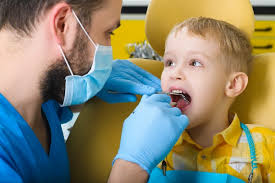
Child dentistry, also known as pediatric dentistry, focuses on the oral health care of children from infancy through their teenage years. It addresses the unique dental needs of children, ensuring their teeth, gums, and mouth remain healthy as they grow. Establishing good dental habits early can help prevent future oral health issues and set the foundation for a lifetime of healthy smiles. What Is Child Dentistry? Pediatric dentistry involves preventive care, diagnosis, and treatment of dental issues in children. It emphasizes educating parents and children about proper oral hygiene and habits to maintain dental health. Pediatric dentists are specially trained to understand and manage the unique needs of children, including their behavior and developing oral structures. Why Is Child Dentistry Important? Early Detection of Issues: Regular dental checkups can identify problems like cavities, misaligned teeth, or gum disease early, preventing more serious issues later. Developmental Guidance: Pediatric dentists monitor the development of your child’s teeth and jaws, ensuring proper alignment and growth. Preventive Care: Treatments like fluoride application and dental sealants help protect teeth from decay. Building Good Habits: Early visits to the dentist help children get accustomed to dental care, reducing fear and anxiety about dental visits in the future. Common Dental Issues in Children Dental Caries (Cavities): Tooth decay is one of the most common issues among children due to sugary diets and inadequate brushing. Thumb Sucking and Pacifier Use: Prolonged habits can lead to misaligned teeth and jaw issues. Teething Problems: Discomfort during teething can affect a child’s eating and sleeping habits. Gum Disease: Poor oral hygiene can lead to inflammation of the gums, even in children. Tooth Sensitivity: Enamel erosion or cavities can cause sensitivity to hot, cold, or sweet foods. Dental Trauma: Active children are prone to accidents that may result in broken or chipped teeth. Preventive Measures in Child Dentistry Brushing and Flossing: Begin cleaning a baby’s gums with a soft cloth before teeth appear. Use a small, soft-bristled toothbrush and fluoride toothpaste once teeth emerge. Dietary Habits: Limit sugary snacks and drinks to prevent cavities. Encourage a balanced diet rich in calcium and vitamins. Fluoride Treatment: Fluoride strengthens enamel and reduces the risk of tooth decay. Dental Sealants: Sealants are thin protective coatings applied to the chewing surfaces of back teeth to prevent cavities. Regular Dental Visits: Schedule your child’s first dental visit by their first birthday or when the first tooth appears. Key Pediatric Dental Procedures Oral Hygiene Education: Pediatric dentists educate parents and children about brushing, flossing, and maintaining good oral hygiene. Cavity Treatment: Fillings or crowns are used to restore decayed teeth. Tooth Extractions: If a tooth is severely decayed or damaged, extraction may be necessary. Orthodontic Assessment: Early evaluation can identify the need for braces or other corrective measures. Habit Counseling: Dentists provide guidance to help children stop habits like thumb sucking or nail biting. Emergency Dental Care: Pediatric dentists are trained to handle dental emergencies like broken teeth or oral injuries. Managing Dental Anxiety in Children Child-Friendly Environment: Pediatric dental clinics are designed to be welcoming and comforting for children. Behavioral Techniques: Dentists use techniques like positive reinforcement and distraction to make dental visits stress-free. Parental Support: Parents can ease anxiety by discussing dental visits positively and staying calm during appointments. When Should Your Child Visit a Dentist? First Visit: The first visit should be scheduled by the first birthday or when the first tooth erupts. Routine Checkups: Visits every six months help monitor oral health and detect issues early. Special Visits: If your child experiences pain, sensitivity, or trauma, visit the dentist immediately. The Role of Parents in Child Dentistry Parents play a crucial role in ensuring their child’s oral health. Here are some tips: Supervise brushing and flossing until children develop proper techniques. Use child-friendly toothpaste and toothbrushes. Make dental visits a fun and positive experience. Encourage healthy eating habits and limit sugary snacks. Conclusion Child dentistry is essential for maintaining your child’s oral health and preventing future dental problems. Regular visits to a pediatric dentist, combined with good oral hygiene habits, can ensure healthy teeth and gums for life. Start early, stay consistent, and make oral care a priority for your little one!

Oral Surgical Treatment

Oral Surgical Treatment: An Overview

Oral surgery is a branch of dentistry that deals with surgical procedures performed on the mouth, teeth, gums, and jaw. This type of treatment is necessary when a dental condition requires more than just standard dental procedures like cleanings or fillings. Oral surgeries are performed to treat a variety of issues, ranging from tooth extractions to complex jaw realignment surgeries. Below, we’ll explore the different types of oral surgical treatments, when they’re necessary, and what to expect during the procedure and recovery. Types of Oral Surgical Treatments Tooth Extractions One of the most common types of oral surgery is tooth extraction, which involves removing a tooth from its socket in the jawbone. Extractions may be necessary in cases of: Severe decay that can’t be treated with a filling or root canal. Infected teeth that cannot be saved with a root canal. Impacted teeth (e.g., wisdom teeth that don’t fully emerge from the gums). Crowded teeth that need to be removed for orthodontic purposes. Wisdom Teeth Removal Wisdom teeth, also known as third molars, often need to be removed because they may become impacted (unable to fully emerge from the gums). This can lead to infections, pain, and damage to adjacent teeth. Wisdom teeth removal is commonly performed under local anesthesia, sedation, or general anesthesia, depending on the complexity of the case. Dental Implants Dental implants are used to replace missing teeth with artificial roots that are anchored into the jawbone. A titanium post is inserted into the bone, and after it fuses with the bone in a process called osseointegration, a crown is placed on top. This procedure is ideal for patients who have lost teeth due to injury, decay, or disease. Dental implants provide a permanent and durable solution that restores both function and aesthetics. Jaw Surgery (Orthognathic Surgery) In some cases, patients may need surgery to correct misaligned jaws. This type of surgery is typically performed for severe jaw irregularities that can’t be corrected with braces alone. Jaw surgery can address issues such as: Difficulty chewing or speaking due to jaw misalignment. Sleep apnea caused by improper jaw positioning. Facial asymmetry or disfigurement due to birth defects, trauma, or disease. Cleft Lip and Palate Surgery Surgery for cleft lip and palate is typically performed in stages, starting in infancy and continuing through childhood. These surgeries are aimed at closing the gap in the upper lip or palate, allowing the child to eat, speak, and breathe more easily. The surgeries also improve the child’s appearance and ability to socialize. Oral Cancer Surgery Oral cancer surgeries are necessary for removing malignant tumors from the mouth, tongue, or throat. These surgeries often involve: Tumor removal: Removing the cancerous growth and surrounding tissue. Lymph node removal: In some cases, nearby lymph nodes may also be removed to check for cancer spread. Reconstructive surgery: If significant tissue is removed, reconstructive surgery may be needed to restore function and appearance. Bone Grafting Bone grafting is used in dental implants or other oral surgeries to help rebuild or regenerate bone that has been lost due to injury, disease, or developmental issues. In dental implants, bone grafting may be necessary if the jawbone is not thick or dense enough to support the implant post. Periodontal Surgery Periodontal surgery is performed to treat gum disease that has progressed beyond the point where non-surgical treatments, like scaling and root planing, can be effective. Procedures include: Gum grafts: To restore gum tissue that has been lost due to gum recession. Flap surgery: To clean deep pockets of bacteria under the gums and to smooth the bone for easier reattachment of gums. Bone and tissue regeneration: To promote the regrowth of bone and tissue lost due to severe gum disease. Temporomandibular Joint (TMJ) Surgery TMJ surgery is required when a patient has a serious jaw joint disorder that cannot be treated with non-surgical methods. The temporomandibular joint connects the jawbone to the skull, and surgery may be required to treat issues such as: Severe jaw pain or dysfunction that affects daily activities. Misalignment of the jaw joint. Chronic jaw clicking or popping. When is Oral Surgery Necessary? Oral surgery is typically recommended when conservative treatments have failed or when the dental condition is severe. Common reasons that may require oral surgery include: Severe tooth decay or infection that cannot be treated with fillings or root canals. Impacted teeth, especially wisdom teeth. Misaligned jaws that cannot be corrected by orthodontics alone. Tooth loss due to injury, infection, or decay that requires the placement of dental implants. Gum disease that has advanced beyond the point of non-surgical treatment. What to Expect During Oral Surgery Oral surgery procedures are typically performed under local anesthesia, although sedation or general anesthesia may be used for more complex surgeries. Here’s what you can expect: Consultation: Your oral surgeon will assess your condition through exams, X-rays, and possibly CT scans to determine the appropriate surgical approach. Anesthesia: You will be given anesthesia to numb the area or sedate you to ensure comfort during the procedure. Surgical Procedure: The surgeon will perform the surgery based on the type of treatment needed, which could involve removing teeth, placing implants, or correcting jaw alignment. Post-Operative Care: After the surgery, you will receive instructions for care, including how to manage pain, swelling, and the risk of infection. In some cases, follow-up visits may be needed to check on healing and remove stitches. Recovery After Oral Surgery Recovery times vary depending on the complexity of the surgery. In general, recovery from oral surgery involves: Resting: It’s important to take it easy for a few days following surgery to allow your body to heal. Pain Management: Pain relievers or prescribed medications will help manage discomfort. Dietary Restrictions: You may need to stick to soft foods and avoid hard or crunchy foods for a while. Follow-Up Appointments: The surgeon may schedule follow-up visits to monitor healing, remove stitches, and check for complications. Potential Risks of Oral Surgery As with any surgery, oral surgery

Periodontal & Gum Surgery

Periodontal & Gum Surgery: A Complete Guide

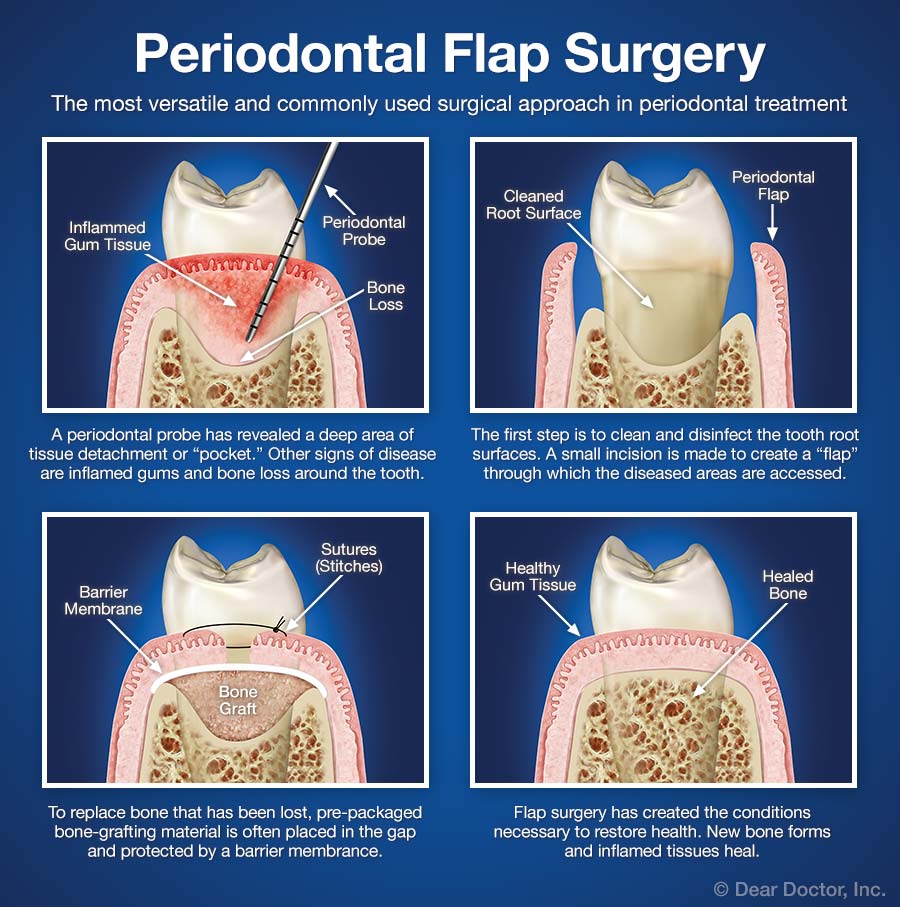
Periodontal and gum surgery refers to a variety of surgical procedures aimed at treating gum diseases and restoring the health of the gums and supporting structures of the teeth. Gum disease, or periodontal disease, can range from mild gum inflammation (gingivitis) to severe damage to the soft tissue and bone supporting the teeth (periodontitis). Periodontal surgery helps address these conditions when non-surgical treatments, such as deep cleaning, are not effective. In this article, we’ll explore what periodontal and gum surgery involves, why it’s necessary, the types of surgeries available, and the recovery process. What is Periodontal & Gum Surgery? Periodontal and gum surgery involves procedures to treat advanced gum disease, repair damaged gum tissue, and improve the overall health and function of the gums and supporting bone structures. The surgery aims to stop the progression of periodontal disease, restore gum tissue, and preserve teeth that might otherwise be lost due to severe gum disease. Why is Periodontal & Gum Surgery Needed? Gum disease is one of the leading causes of tooth loss in adults. If left untreated, it can lead to the loss of bone and tissue that support the teeth. Periodontal surgery may be needed when the gum disease has progressed beyond the point where non-surgical treatments can manage it effectively. Reasons for periodontal surgery include: Deep pockets between teeth and gums: When the gums start to pull away from the teeth, pockets form that can trap bacteria and become difficult to clean. Bone loss: Advanced gum disease can result in the loss of the bone that supports the teeth. Receding gums: Gum recession can expose the roots of the teeth, causing sensitivity and increasing the risk of decay. Infection: Persistent infection that cannot be treated with antibiotics alone may require surgical intervention. Types of Periodontal & Gum Surgery Pocket Reduction Surgery (Flap Surgery): What it is: This procedure involves lifting the gums away from the teeth to allow the dentist to clean tartar and bacteria from deep below the gum line. After cleaning, the gums are repositioned back around the teeth. Why it’s done: This surgery is often performed when pockets around the teeth have deepened, allowing bacteria to thrive and make it difficult to clean with regular brushing and scaling. Bone Grafting: What it is: If gum disease has caused significant bone loss, bone grafting is performed to regenerate bone around the affected tooth. The graft material is usually from the patient’s own bone, or synthetic bone is used. Why it’s done: Bone grafting helps restore the bone that supports the teeth, preventing further tooth loss. Soft Tissue Grafting: What it is: This surgery involves taking a small piece of tissue (usually from the roof of the mouth) and grafting it onto areas where the gums have receded. The new tissue promotes gum growth and helps cover exposed tooth roots. Why it’s done: This procedure is often performed for patients with gum recession, which can lead to tooth sensitivity, decay, or aesthetic concerns. Guided Tissue Regeneration: What it is: This procedure uses a special membrane to help guide the regrowth of bone and tissue that has been destroyed due to gum disease. Why it’s done: This surgery is used when there’s significant bone loss around the teeth. The membrane helps encourage the natural regrowth of bone and tissue, improving the long-term success of the tooth. Crown Lengthening: What it is: In cases where a tooth is severely decayed or damaged below the gum line, crown lengthening surgery is performed to remove excess gum tissue and expose more of the tooth to allow for a proper dental crown to be placed. Why it’s done: This surgery is done for both functional and aesthetic reasons, such as improving the appearance of a “gummy smile” or preparing a tooth for a crown or other restoration. Frenectomy: What it is: A frenectomy involves removing or modifying the frenulum, the small piece of tissue that connects the gums to the lips or tongue. Why it’s done: A frenectomy is often done when a tight frenulum (labial or lingual) interferes with oral function or causes excessive gum recession. The Procedure: What to Expect Pre-Surgical Evaluation: Before performing any surgical procedure, your dentist will perform a thorough examination, which may include X-rays or 3D scans to assess the extent of gum disease and bone loss. You will be given information about the procedure and aftercare to ensure a successful outcome. During the Surgery: Periodontal surgeries are usually performed under local anesthesia to ensure comfort. Depending on the complexity of the surgery, your dentist may also offer sedation options to help you relax. The procedure typically takes between 1 to 2 hours, depending on the type of surgery. Post-Operative Care: After the surgery, you will be given instructions for proper care, including pain management, oral hygiene, and diet recommendations. It’s common to experience some swelling, discomfort, or bleeding immediately after surgery, but these symptoms usually subside within a few days. Your dentist may schedule follow-up visits to monitor healing and ensure the gums are recovering properly. Recovery and Aftercare Proper recovery and aftercare are essential for the success of periodontal surgery. Here’s what to expect during recovery: Pain and Swelling: It’s normal to experience some pain and swelling after surgery, which can be managed with over-the-counter pain relievers. In some cases, your dentist may prescribe antibiotics or pain medication. Diet: Stick to a soft-food diet for the first few days after surgery. Avoid hot, spicy, or hard foods that can irritate the surgical site. Oral Hygiene: Maintaining good oral hygiene is crucial to prevent infection. However, you may need to avoid brushing or flossing the surgical site for the first few days to allow it to heal. Follow-Up Appointments: Regular check-ups will be scheduled to monitor your recovery and remove any stitches if necessary. Potential Risks and Complications Like any surgical procedure, periodontal surgery comes with some risks, although they are rare: Infection: If bacteria enter the surgical site, it can lead to infection.

Implant Insertion
Implant Insertion

Implant Insertion: Everything You Need to Know

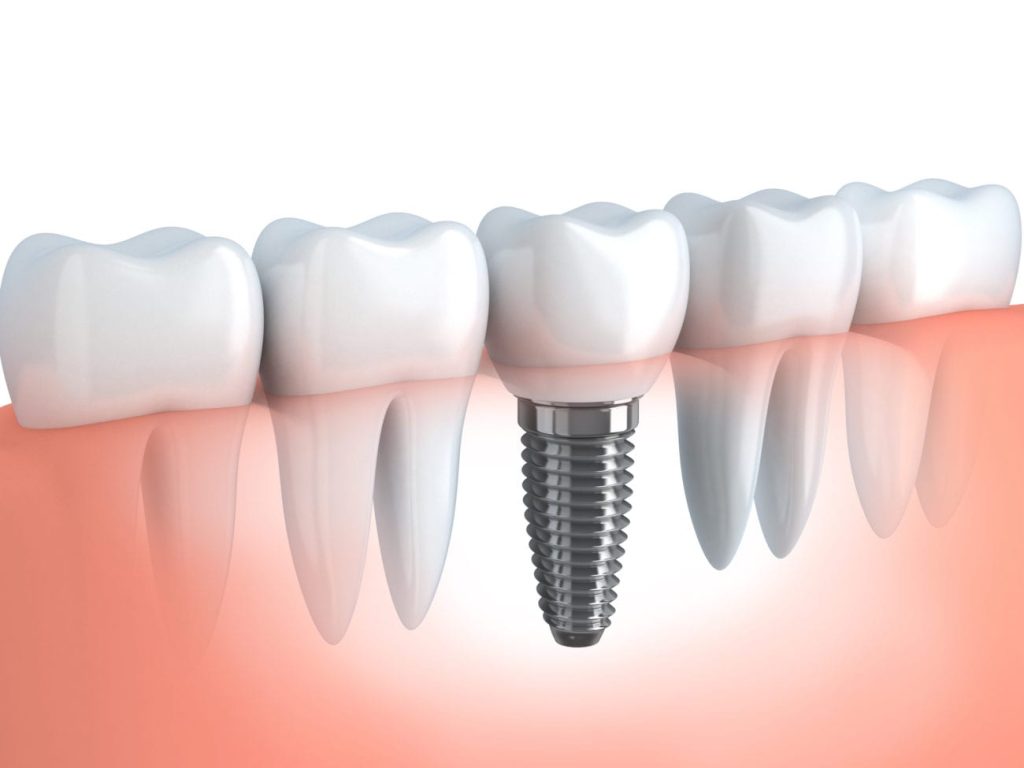
Dental implants are a popular and effective solution for replacing missing teeth. Implant insertion is the procedure that involves placing a titanium post (the implant) into the jawbone, acting as a root for a replacement tooth or bridge. Over time, the implant fuses with the bone in a process called osseointegration, providing a stable and durable foundation for the artificial tooth. Here’s everything you need to know about implant insertion: What is Dental Implant Insertion? Implant insertion refers to the surgical process of placing a dental implant into the jawbone. The implant serves as a replacement root for missing teeth. The procedure usually consists of two main stages: Initial Surgery (Implant Placement) – The titanium post is surgically inserted into the jawbone. Restoration (Crown Attachment) – After the implant fuses with the bone, a custom-made crown or bridge is attached to complete the restoration. Why Choose Dental Implants? Dental implants offer several advantages over traditional dentures and bridges: Durability: Dental implants are designed to last for many years, even a lifetime with proper care. Natural Appearance: Implants mimic the look and feel of natural teeth, providing a seamless aesthetic. Stability: Since the implant is fused with the jawbone, it offers exceptional stability and strength for chewing and speaking. Preservation of Bone: Implants help prevent bone loss in the jaw, which can occur when teeth are missing. The Implant Insertion Process Consultation and Planning: Before the procedure, your dentist will conduct a thorough examination of your oral health, including X-rays or 3D scans to evaluate the bone structure. Based on this, a treatment plan will be created to determine the appropriate size and placement of the implant. First Surgery (Implant Placement): Local anesthesia is used to numb the area where the implant will be placed. The dentist will make a small incision in the gum to expose the jawbone. A hole is drilled into the bone, and the titanium implant is carefully placed. The gum is then stitched closed over the implant, and the healing process begins. Healing and Osseointegration: The implant will need to heal for several months (typically 3-6 months), allowing it to fuse with the jawbone in a process called osseointegration. During this time, you may wear a temporary crown or bridge for cosmetic purposes. Second Surgery (Abutment Placement): Once the implant is fully integrated with the bone, a second minor procedure is performed to attach the abutment, which connects the implant to the restoration. Restoration: After the abutment is placed, the final crown, bridge, or denture is attached to the implant. The restoration is custom-made to match the color, shape, and size of your natural teeth, ensuring a seamless look. Post-Operative Care and Recovery After implant insertion, proper care is crucial to ensure the success of the procedure. Here’s what to expect: Pain and Swelling: Some discomfort, swelling, or bruising around the surgical site is normal. Over-the-counter pain relievers are typically sufficient to manage this. Oral Hygiene: Maintain good oral hygiene by brushing and flossing carefully around the implant area to avoid infection. Diet: Stick to soft foods for the first few days and avoid hard or crunchy foods that may stress the implant site. Follow-Up Visits: Regular follow-up appointments will be required to monitor the healing process and ensure the implant is integrating properly with the bone. Potential Risks and Complications While dental implants are generally safe, there are some risks associated with the procedure: Infection: Infection at the implant site can hinder the healing process. Implant Failure: In rare cases, the implant may fail to integrate with the bone, requiring removal and replacement. Nerve Damage: There’s a slight risk of nerve damage, especially if the implant is placed too close to sensitive nerves. Is Implant Insertion Right for You? Dental implants are a suitable option for most people who have lost a tooth or multiple teeth. However, there are some factors to consider: Bone Density: Adequate bone density is required for implant placement. If the bone has deteriorated due to missing teeth, a bone graft may be necessary. Overall Health: Conditions like diabetes or smoking can affect the healing process and increase the risk of complications. Conclusion Implant insertion is a highly effective and long-lasting solution for replacing missing teeth, offering significant benefits in terms of appearance, function, and bone health. With advancements in dental technology, the procedure has become more accessible and successful. If you’re considering dental implants, consult with an experienced dentist to determine if you’re a suitable candidate and to develop a personalized treatment plan. By understanding the implant insertion process and following your dentist’s care instructions, you can achieve a natural-looking and stable solution for your missing teeth.

crown and bridge-work
Crown and Bridge Work

Crown and Bridge Work: What It Is, Why It’s Needed, and How It Works

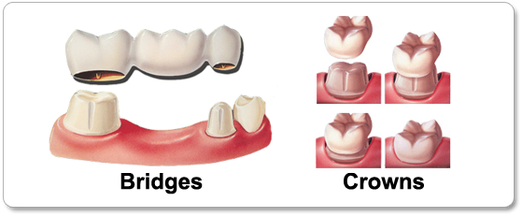
Introduction Dental health is a critical aspect of overall well-being, and at times, you may need restorative treatments to maintain or restore your smile. Among the most common and effective solutions are crown and bridge work. These procedures help restore teeth that are damaged, decayed, or missing, and offer both aesthetic and functional benefits. In this article, we will explore what crown and bridge work entails, why it is needed, and how these procedures can help improve your dental health. What is Crown and Bridge Work? Crown Work: A dental crown, often referred to as a “cap,” is a restorative solution used to cover a damaged tooth, effectively restoring its shape, strength, and appearance. It is often used when a tooth is severely decayed, cracked, or worn down. Crowns can be made from various materials, including porcelain, ceramic, metal, or a combination, depending on the location of the tooth and the patient’s aesthetic needs. Bridge Work: A dental bridge is a restoration that replaces one or more missing teeth by securing an artificial tooth (pontic) between two healthy teeth (abutments). A dental bridge is a great option for restoring missing teeth, preventing neighboring teeth from shifting, and improving chewing function. Like crowns, bridges are custom-made from materials like porcelain, metal, or a combination of both. Why Do You Need Crown and Bridge Work? Crown and bridge work is necessary for various reasons, including: Restoring Function: Missing or damaged teeth can significantly affect your ability to chew and speak. Crowns and bridges restore normal function by filling the gaps or covering damaged teeth. Preventing Tooth Shifting: Missing teeth can cause the surrounding teeth to shift out of place, leading to bite problems and potential tooth misalignment. A bridge helps prevent this issue. Aesthetic Improvement: Crowns are often used to improve the appearance of a tooth that is discolored, cracked, or misshaped. Both crowns and bridges can enhance the aesthetics of your smile. Protecting Weakened Teeth: If a tooth is extensively damaged, it may become weak and prone to breakage. A crown acts as a protective barrier to safeguard the tooth from further damage. Preventing Further Dental Issues: Both crowns and bridges help maintain the integrity of your mouth and prevent additional complications, such as gum disease or tooth decay. The Procedure for Crown and Bridge Work The process for crown and bridge work typically involves the following steps: Consultation and Examination: The first step is a consultation with your dentist to assess your dental needs. Your dentist will examine your teeth, take X-rays, and determine the best treatment plan. Tooth Preparation: For a crown, the affected tooth is reshaped to ensure the crown fits properly. For a bridge, the adjacent teeth (abutments) are prepared by reducing their size to accommodate the crowns that will hold the bridge in place. Impressions: Your dentist will take impressions of your teeth to create custom-made crowns or bridges that fit precisely in your mouth. Temporary Restorations: While waiting for the permanent restorations to be created, your dentist may place temporary crowns or bridges to protect the prepared teeth. Fitting and Adjustment: Once the permanent crowns and bridges are ready, your dentist will fit them, make any necessary adjustments, and ensure that they align properly with your bite. Final Placement: After confirming the fit, the crowns and bridges are permanently cemented in place. How Long Do Crowns and Bridges Last? Crowns and bridges are durable dental solutions, typically lasting between 5 to 15 years, depending on factors such as material choice, oral hygiene practices, and lifestyle. Proper care, including regular brushing, flossing, and visits to the dentist, can extend the life of your restoration. Benefits of Crown and Bridge Work Long-Lasting Results: Both crowns and bridges are durable, providing long-lasting solutions for damaged or missing teeth. Improved Function: With restored teeth, you can enjoy better chewing and speaking functions. Aesthetic Enhancement: Crowns and bridges are designed to look natural, blending seamlessly with your existing teeth. Minimal Maintenance: Proper oral hygiene and regular dental checkups are usually sufficient to maintain your crown and bridge work for many years. Potential Risks and Considerations Although crown and bridge work is generally safe, some risks include: Sensitivity: After the procedure, you may experience temporary tooth sensitivity, especially to hot or cold foods. Gum Irritation: In some cases, the gums around the crown or bridge may become irritated. Wear and Tear: Over time, the material of the crown or bridge may wear down, requiring replacement. Conclusion Crown and bridge work are highly effective restorative dental procedures for improving both the function and appearance of your smile. Whether you’re dealing with a damaged tooth or missing teeth, these treatments can restore your oral health and confidence. Consult with your dentist to determine if crown and bridge work is the right option for you. For optimal results, choose a skilled, experienced dentist to ensure the best possible outcome for your dental restoration.

Root Canal
Root Canal Treatment

Root Canal Treatment: Everything You Need to Know

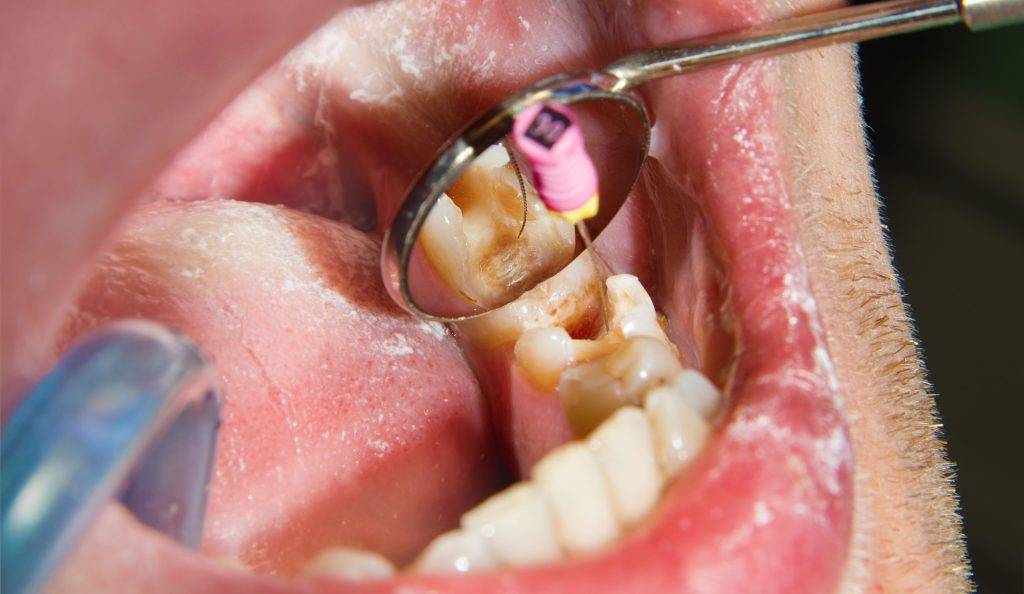
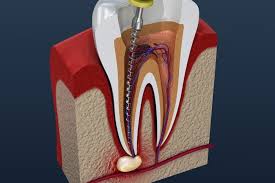
Root canal treatment is a common dental procedure designed to save teeth that are severely damaged or infected. If you are experiencing tooth pain or have been advised by your dentist to undergo this treatment, understanding the process, benefits, and aftercare can help you make an informed decision. Here, we explore what root canal treatment is, why it is necessary, and how it is performed. What is Root Canal Treatment? Root canal treatment, also known as endodontic therapy, is a dental procedure aimed at removing infected or damaged pulp from the inside of a tooth. The pulp is a soft tissue located in the tooth’s root canals, containing blood vessels, nerves, and connective tissue. When this tissue becomes infected due to decay or injury, it can cause severe pain and lead to further complications. Why is Root Canal Treatment Necessary? Root canal treatment becomes essential in the following scenarios: Severe Tooth Decay: Untreated cavities can reach the pulp, causing infection or inflammation. Cracked or Chipped Tooth: Injuries can expose the pulp to bacteria, leading to infection. Repeated Dental Procedures: Frequent treatments on the same tooth can irritate the pulp. Abscess Formation: An untreated infection can form a painful abscess at the tooth’s root. Without treatment, the infection can spread to other parts of the mouth, jawbone, or even the bloodstream, posing serious health risks. How is Root Canal Treatment Performed? The procedure typically involves the following steps: 1. Diagnosis and Preparation Your dentist will examine the tooth using X-rays to determine the extent of the damage. Local anesthesia is administered to numb the area, ensuring a painless experience. 2. Removing the Infected Pulp A small opening is made in the tooth’s crown to access the pulp chamber. Using specialized tools, the dentist carefully removes the infected or dead pulp. 3. Cleaning and Shaping the Canals The root canals are cleaned, disinfected, and shaped to prepare them for filling. This step ensures no bacteria or debris is left behind. 4. Filling and Sealing The cleaned canals are filled with a biocompatible material, usually gutta-percha, to prevent reinfection. The tooth is then sealed with a temporary or permanent filling. 5. Restoring the Tooth In most cases, a crown is placed over the treated tooth to restore its strength and functionality. This is usually done in a follow-up visit. Benefits of Root Canal Treatment Root canal treatment offers several benefits, including: Pain Relief: Eliminates toothache caused by infection or inflammation. Preservation of Natural Teeth: Saves the natural tooth, avoiding extraction. Improved Oral Health: Prevents the spread of infection to other teeth and tissues. Enhanced Functionality: Restores normal chewing and biting function. Aftercare Tips for Root Canal Treatment To ensure a smooth recovery and long-term success, follow these aftercare tips: Maintain Oral Hygiene: Brush and floss regularly to keep your teeth clean. Avoid Hard Foods: Refrain from chewing hard or sticky foods on the treated tooth until fully restored. Follow-Up Appointments: Visit your dentist for regular check-ups and to place a permanent crown if required. Manage Pain: Over-the-counter pain relievers can help alleviate post-procedure discomfort. Common Misconceptions About Root Canal Treatment It’s Painful: Modern dentistry ensures the procedure is virtually pain-free with local anesthesia. It Causes Illness: There is no scientific evidence linking root canals to systemic diseases. Extraction is Better: Preserving your natural tooth is always the preferred option, as it maintains your oral structure and functionality. Conclusion Root canal treatment is a safe and effective way to treat severe tooth infections and save natural teeth. With advancements in dental technology, the procedure has become quicker and more comfortable than ever. If you suspect you need a root canal or are experiencing persistent tooth pain, consult your dentist promptly to protect your oral health. By understanding the importance of root canal treatment, you can approach the procedure with confidence and ensure the longevity of your natural smile.

Dental Surgeon

Dr. Md. Ziauddin Sayem

  • BDS (D.D.C), MPH (Preventive Dentistry)
    Advance Training in Endodontics & Dental Implants (Thailand)
  • Assistant Professor
    City Dental College
  • Ex-Consultant Dental Surgeon
    Z.H. Sikder Women’s Medical College & Hospital
  • BMDC Reg. No: 2828

Clinic Information

FAIR DENTAL CARE

  • Address:
    18/D, Rankin Street (1st Floor), Wari, Dhaka-1203
    (North side from Wari Post Office)
  • Email: dr.sayemzia@gmail.com
  • Phone: +88 01911-674417
Scroll to Top