
Periodontal & Gum Surgery: A Complete Guide
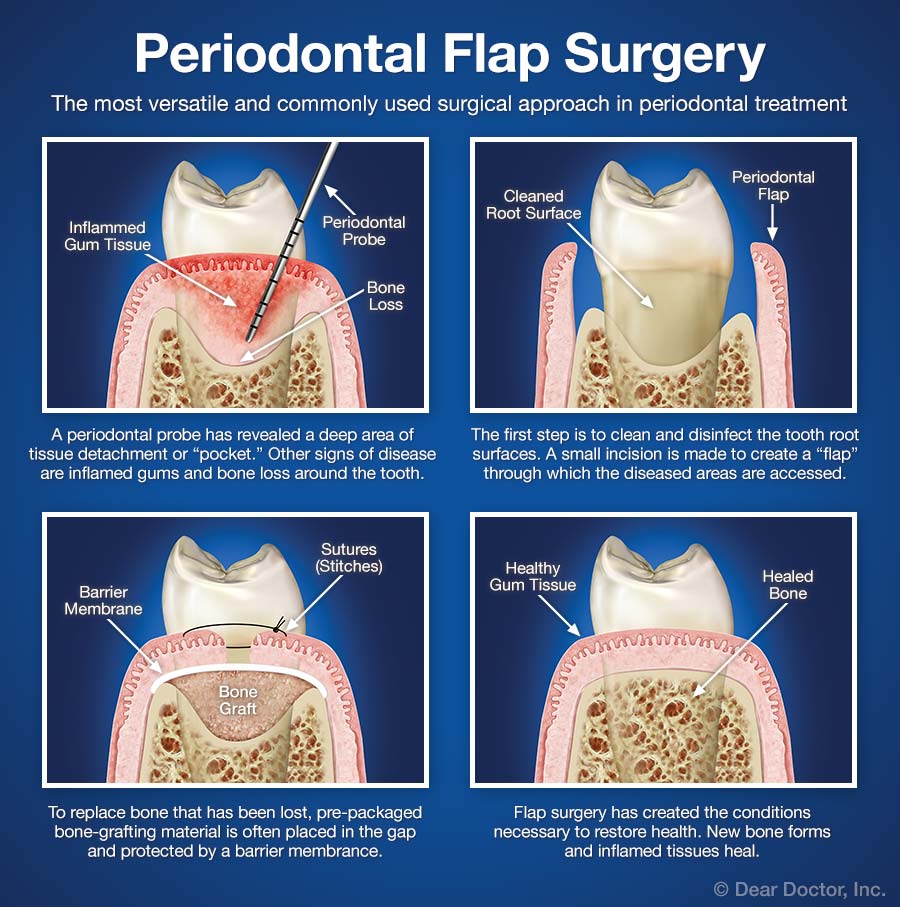
Periodontal and gum surgery refers to a variety of surgical procedures aimed at treating gum diseases and restoring the health of the gums and supporting structures of the teeth. Gum disease, or periodontal disease, can range from mild gum inflammation (gingivitis) to severe damage to the soft tissue and bone supporting the teeth (periodontitis). Periodontal surgery helps address these conditions when non-surgical treatments, such as deep cleaning, are not effective. In this article, we’ll explore what periodontal and gum surgery involves, why it’s necessary, the types of surgeries available, and the recovery process. What is Periodontal & Gum Surgery? Periodontal and gum surgery involves procedures to treat advanced gum disease, repair damaged gum tissue, and improve the overall health and function of the gums and supporting bone structures. The surgery aims to stop the progression of periodontal disease, restore gum tissue, and preserve teeth that might otherwise be lost due to severe gum disease. Why is Periodontal & Gum Surgery Needed? Gum disease is one of the leading causes of tooth loss in adults. If left untreated, it can lead to the loss of bone and tissue that support the teeth. Periodontal surgery may be needed when the gum disease has progressed beyond the point where non-surgical treatments can manage it effectively. Reasons for periodontal surgery include: Deep pockets between teeth and gums: When the gums start to pull away from the teeth, pockets form that can trap bacteria and become difficult to clean. Bone loss: Advanced gum disease can result in the loss of the bone that supports the teeth. Receding gums: Gum recession can expose the roots of the teeth, causing sensitivity and increasing the risk of decay. Infection: Persistent infection that cannot be treated with antibiotics alone may require surgical intervention. Types of Periodontal & Gum Surgery Pocket Reduction Surgery (Flap Surgery): What it is: This procedure involves lifting the gums away from the teeth to allow the dentist to clean tartar and bacteria from deep below the gum line. After cleaning, the gums are repositioned back around the teeth. Why it’s done: This surgery is often performed when pockets around the teeth have deepened, allowing bacteria to thrive and make it difficult to clean with regular brushing and scaling. Bone Grafting: What it is: If gum disease has caused significant bone loss, bone grafting is performed to regenerate bone around the affected tooth. The graft material is usually from the patient’s own bone, or synthetic bone is used. Why it’s done: Bone grafting helps restore the bone that supports the teeth, preventing further tooth loss. Soft Tissue Grafting: What it is: This surgery involves taking a small piece of tissue (usually from the roof of the mouth) and grafting it onto areas where the gums have receded. The new tissue promotes gum growth and helps cover exposed tooth roots. Why it’s done: This procedure is often performed for patients with gum recession, which can lead to tooth sensitivity, decay, or aesthetic concerns. Guided Tissue Regeneration: What it is: This procedure uses a special membrane to help guide the regrowth of bone and tissue that has been destroyed due to gum disease. Why it’s done: This surgery is used when there’s significant bone loss around the teeth. The membrane helps encourage the natural regrowth of bone and tissue, improving the long-term success of the tooth. Crown Lengthening: What it is: In cases where a tooth is severely decayed or damaged below the gum line, crown lengthening surgery is performed to remove excess gum tissue and expose more of the tooth to allow for a proper dental crown to be placed. Why it’s done: This surgery is done for both functional and aesthetic reasons, such as improving the appearance of a “gummy smile” or preparing a tooth for a crown or other restoration. Frenectomy: What it is: A frenectomy involves removing or modifying the frenulum, the small piece of tissue that connects the gums to the lips or tongue. Why it’s done: A frenectomy is often done when a tight frenulum (labial or lingual) interferes with oral function or causes excessive gum recession. The Procedure: What to Expect Pre-Surgical Evaluation: Before performing any surgical procedure, your dentist will perform a thorough examination, which may include X-rays or 3D scans to assess the extent of gum disease and bone loss. You will be given information about the procedure and aftercare to ensure a successful outcome. During the Surgery: Periodontal surgeries are usually performed under local anesthesia to ensure comfort. Depending on the complexity of the surgery, your dentist may also offer sedation options to help you relax. The procedure typically takes between 1 to 2 hours, depending on the type of surgery. Post-Operative Care: After the surgery, you will be given instructions for proper care, including pain management, oral hygiene, and diet recommendations. It’s common to experience some swelling, discomfort, or bleeding immediately after surgery, but these symptoms usually subside within a few days. Your dentist may schedule follow-up visits to monitor healing and ensure the gums are recovering properly. Recovery and Aftercare Proper recovery and aftercare are essential for the success of periodontal surgery. Here’s what to expect during recovery: Pain and Swelling: It’s normal to experience some pain and swelling after surgery, which can be managed with over-the-counter pain relievers. In some cases, your dentist may prescribe antibiotics or pain medication. Diet: Stick to a soft-food diet for the first few days after surgery. Avoid hot, spicy, or hard foods that can irritate the surgical site. Oral Hygiene: Maintaining good oral hygiene is crucial to prevent infection. However, you may need to avoid brushing or flossing the surgical site for the first few days to allow it to heal. Follow-Up Appointments: Regular check-ups will be scheduled to monitor your recovery and remove any stitches if necessary. Potential Risks and Complications Like any surgical procedure, periodontal surgery comes with some risks, although they are rare: Infection: If bacteria enter the surgical site, it can lead to infection.