
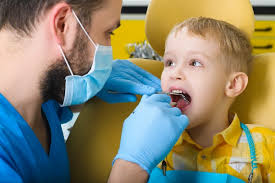
Child Dentistry: A Complete Guide to Pediatric Oral Health
Child dentistry, also known as pediatric dentistry, focuses on the oral health care of children from infancy through their teenage years. It addresses the unique dental needs of children, ensuring their teeth, gums, and mouth remain healthy as they grow. Establishing good dental habits early can help prevent future oral health issues and set the foundation for a lifetime of healthy smiles. What Is Child Dentistry? Pediatric dentistry involves preventive care, diagnosis, and treatment of dental issues in children. It emphasizes educating parents and children about proper oral hygiene and habits to maintain dental health. Pediatric dentists are specially trained to understand and manage the unique needs of children, including their behavior and developing oral structures. Why Is Child Dentistry Important? Early Detection of Issues: Regular dental checkups can identify problems like cavities, misaligned teeth, or gum disease early, preventing more serious issues later. Developmental Guidance: Pediatric dentists monitor the development of your child’s teeth and jaws, ensuring proper alignment and growth. Preventive Care: Treatments like fluoride application and dental sealants help protect teeth from decay. Building Good Habits: Early visits to the dentist help children get accustomed to dental care, reducing fear and anxiety about dental visits in the future. Common Dental Issues in Children Dental Caries (Cavities): Tooth decay is one of the most common issues among children due to sugary diets and inadequate brushing. Thumb Sucking and Pacifier Use: Prolonged habits can lead to misaligned teeth and jaw issues. Teething Problems: Discomfort during teething can affect a child’s eating and sleeping habits. Gum Disease: Poor oral hygiene can lead to inflammation of the gums, even in children. Tooth Sensitivity: Enamel erosion or cavities can cause sensitivity to hot, cold, or sweet foods. Dental Trauma: Active children are prone to accidents that may result in broken or chipped teeth. Preventive Measures in Child Dentistry Brushing and Flossing: Begin cleaning a baby’s gums with a soft cloth before teeth appear. Use a small, soft-bristled toothbrush and fluoride toothpaste once teeth emerge. Dietary Habits: Limit sugary snacks and drinks to prevent cavities. Encourage a balanced diet rich in calcium and vitamins. Fluoride Treatment: Fluoride strengthens enamel and reduces the risk of tooth decay. Dental Sealants: Sealants are thin protective coatings applied to the chewing surfaces of back teeth to prevent cavities. Regular Dental Visits: Schedule your child’s first dental visit by their first birthday or when the first tooth appears. Key Pediatric Dental Procedures Oral Hygiene Education: Pediatric dentists educate parents and children about brushing, flossing, and maintaining good oral hygiene. Cavity Treatment: Fillings or crowns are used to restore decayed teeth. Tooth Extractions: If a tooth is severely decayed or damaged, extraction may be necessary. Orthodontic Assessment: Early evaluation can identify the need for braces or other corrective measures. Habit Counseling: Dentists provide guidance to help children stop habits like thumb sucking or nail biting. Emergency Dental Care: Pediatric dentists are trained to handle dental emergencies like broken teeth or oral injuries. Managing Dental Anxiety in Children Child-Friendly Environment: Pediatric dental clinics are designed to be welcoming and comforting for children. Behavioral Techniques: Dentists use techniques like positive reinforcement and distraction to make dental visits stress-free. Parental Support: Parents can ease anxiety by discussing dental visits positively and staying calm during appointments. When Should Your Child Visit a Dentist? First Visit: The first visit should be scheduled by the first birthday or when the first tooth erupts. Routine Checkups: Visits every six months help monitor oral health and detect issues early. Special Visits: If your child experiences pain, sensitivity, or trauma, visit the dentist immediately. The Role of Parents in Child Dentistry Parents play a crucial role in ensuring their child’s oral health. Here are some tips: Supervise brushing and flossing until children develop proper techniques. Use child-friendly toothpaste and toothbrushes. Make dental visits a fun and positive experience. Encourage healthy eating habits and limit sugary snacks. Conclusion Child dentistry is essential for maintaining your child’s oral health and preventing future dental problems. Regular visits to a pediatric dentist, combined with good oral hygiene habits, can ensure healthy teeth and gums for life. Start early, stay consistent, and make oral care a priority for your little one!