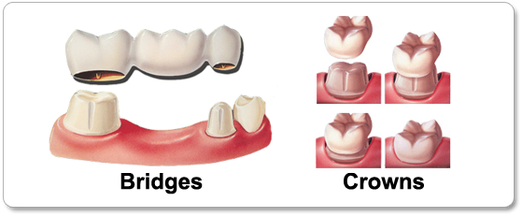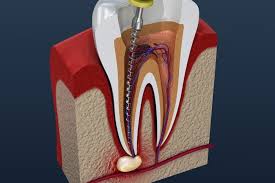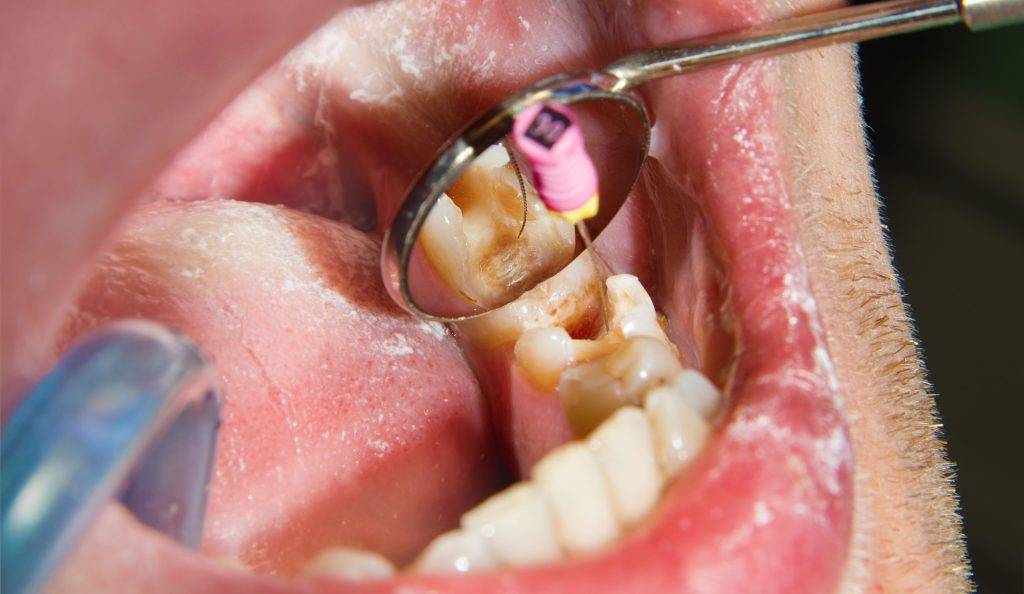
Oral surgery is a branch of dentistry that deals with surgical procedures performed on the mouth, teeth, gums, and jaw. This type of treatment is necessary when a dental condition requires more than just standard dental procedures like cleanings or fillings. Oral surgeries are performed to treat a variety of issues, ranging from tooth extractions to complex jaw realignment surgeries. Below, we’ll explore the different types of oral surgical treatments, when they’re necessary, and what to expect during the procedure and recovery.
Types of Oral Surgical Treatments
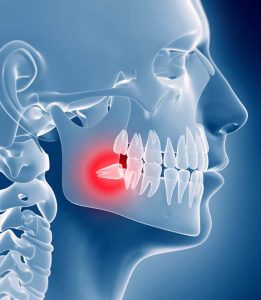

- Tooth Extractions
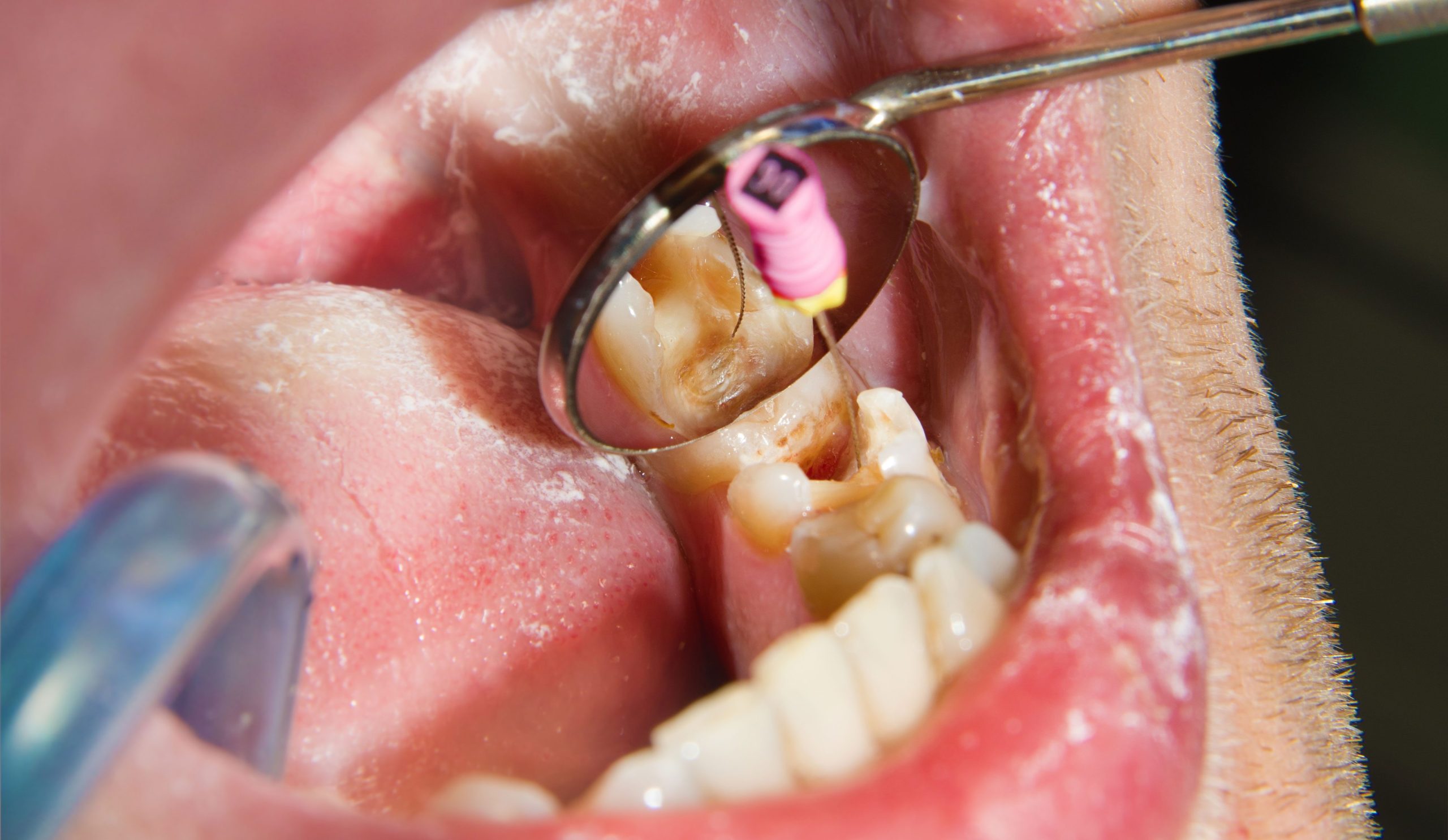
One of the most common types of oral surgery is tooth extraction, which involves removing a tooth from its socket in the jawbone. Extractions may be necessary in cases of:- Severe decay that can’t be treated with a filling or root canal.
- Infected teeth that cannot be saved with a root canal.
- Impacted teeth (e.g., wisdom teeth that don’t fully emerge from the gums).
- Crowded teeth that need to be removed for orthodontic purposes.
- Wisdom Teeth Removal
Wisdom teeth, also known as third molars, often need to be removed because they may become impacted (unable to fully emerge from the gums). This can lead to infections, pain, and damage to adjacent teeth. Wisdom teeth removal is commonly performed under local anesthesia, sedation, or general anesthesia, depending on the complexity of the case. - Dental Implants
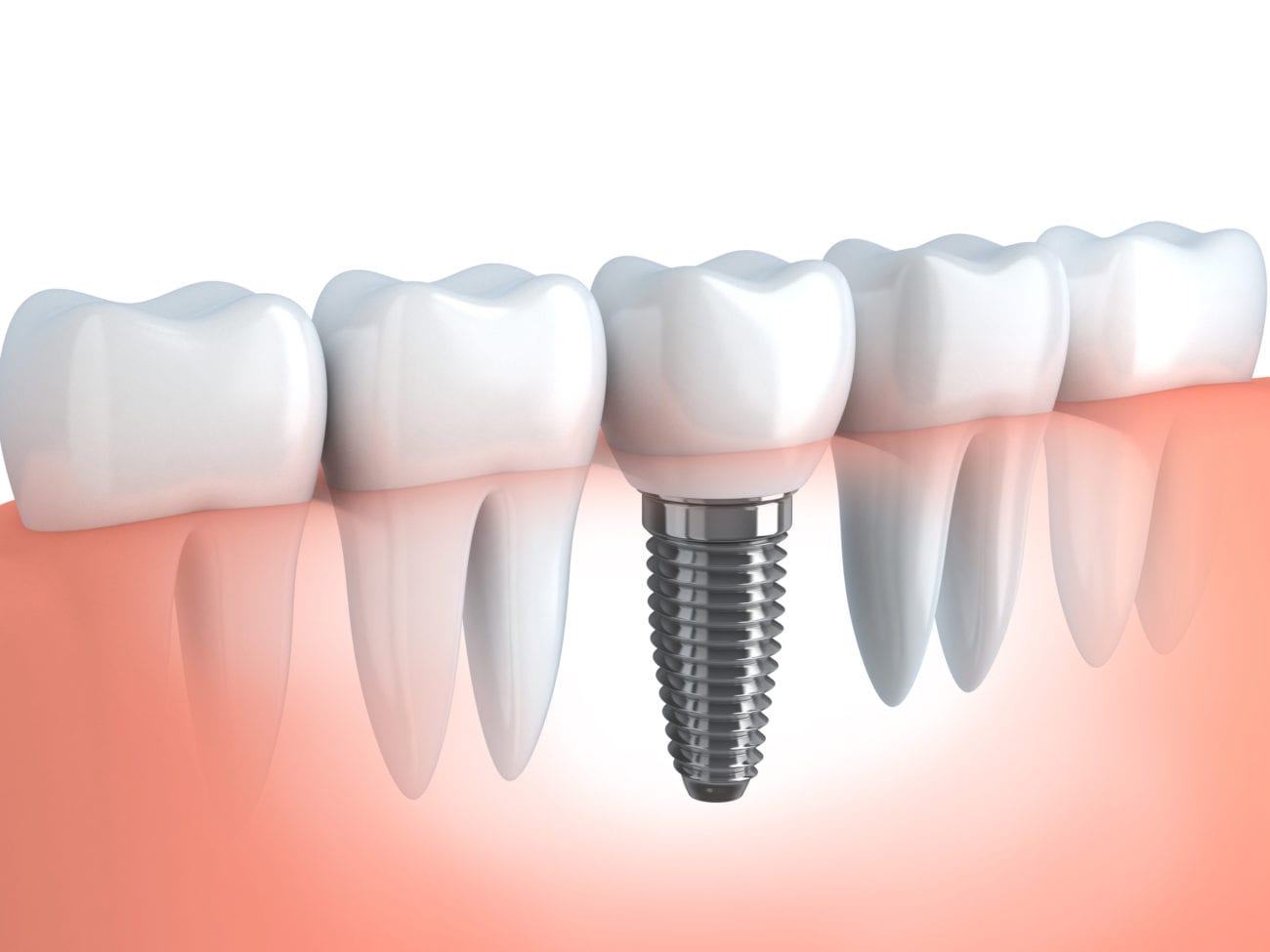
Dental implants are used to replace missing teeth with artificial roots that are anchored into the jawbone. A titanium post is inserted into the bone, and after it fuses with the bone in a process called osseointegration, a crown is placed on top. This procedure is ideal for patients who have lost teeth due to injury, decay, or disease. Dental implants provide a permanent and durable solution that restores both function and aesthetics. - Jaw Surgery (Orthognathic Surgery)
In some cases, patients may need surgery to correct misaligned jaws. This type of surgery is typically performed for severe jaw irregularities that can’t be corrected with braces alone. Jaw surgery can address issues such as:- Difficulty chewing or speaking due to jaw misalignment.
- Sleep apnea caused by improper jaw positioning.
- Facial asymmetry or disfigurement due to birth defects, trauma, or disease.
- Cleft Lip and Palate Surgery
Surgery for cleft lip and palate is typically performed in stages, starting in infancy and continuing through childhood. These surgeries are aimed at closing the gap in the upper lip or palate, allowing the child to eat, speak, and breathe more easily. The surgeries also improve the child’s appearance and ability to socialize. - Oral Cancer Surgery
Oral cancer surgeries are necessary for removing malignant tumors from the mouth, tongue, or throat. These surgeries often involve:- Tumor removal: Removing the cancerous growth and surrounding tissue.
- Lymph node removal: In some cases, nearby lymph nodes may also be removed to check for cancer spread.
- Reconstructive surgery: If significant tissue is removed, reconstructive surgery may be needed to restore function and appearance.
- Bone Grafting
Bone grafting is used in dental implants or other oral surgeries to help rebuild or regenerate bone that has been lost due to injury, disease, or developmental issues. In dental implants, bone grafting may be necessary if the jawbone is not thick or dense enough to support the implant post. - Periodontal Surgery
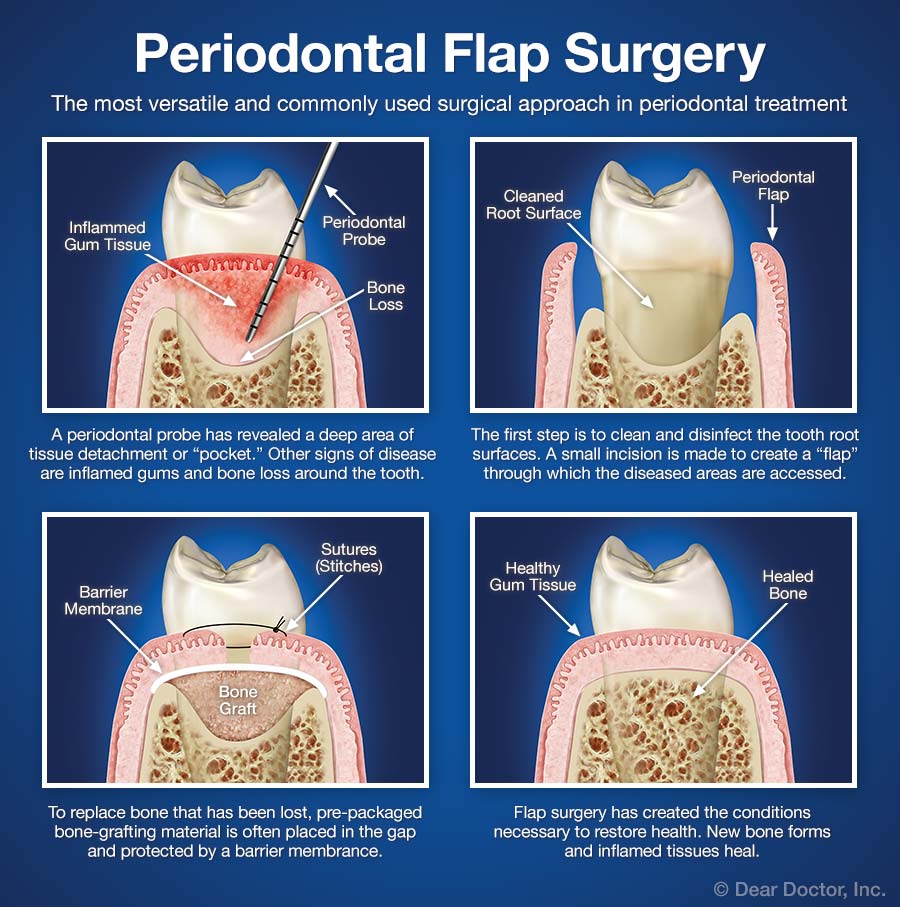
Periodontal surgery is performed to treat gum disease that has progressed beyond the point where non-surgical treatments, like scaling and root planing, can be effective. Procedures include:- Gum grafts: To restore gum tissue that has been lost due to gum recession.
- Flap surgery: To clean deep pockets of bacteria under the gums and to smooth the bone for easier reattachment of gums.
- Bone and tissue regeneration: To promote the regrowth of bone and tissue lost due to severe gum disease.
- Temporomandibular Joint (TMJ) Surgery
TMJ surgery is required when a patient has a serious jaw joint disorder that cannot be treated with non-surgical methods. The temporomandibular joint connects the jawbone to the skull, and surgery may be required to treat issues such as:- Severe jaw pain or dysfunction that affects daily activities.
- Misalignment of the jaw joint.
- Chronic jaw clicking or popping.
When is Oral Surgery Necessary?
Oral surgery is typically recommended when conservative treatments have failed or when the dental condition is severe. Common reasons that may require oral surgery include:
- Severe tooth decay or infection that cannot be treated with fillings or root canals.
- Impacted teeth, especially wisdom teeth.
- Misaligned jaws that cannot be corrected by orthodontics alone.
- Tooth loss due to injury, infection, or decay that requires the placement of dental implants.
- Gum disease that has advanced beyond the point of non-surgical treatment.
What to Expect During Oral Surgery
Oral surgery procedures are typically performed under local anesthesia, although sedation or general anesthesia may be used for more complex surgeries. Here’s what you can expect:
- Consultation: Your oral surgeon will assess your condition through exams, X-rays, and possibly CT scans to determine the appropriate surgical approach.
- Anesthesia: You will be given anesthesia to numb the area or sedate you to ensure comfort during the procedure.
- Surgical Procedure: The surgeon will perform the surgery based on the type of treatment needed, which could involve removing teeth, placing implants, or correcting jaw alignment.
- Post-Operative Care: After the surgery, you will receive instructions for care, including how to manage pain, swelling, and the risk of infection. In some cases, follow-up visits may be needed to check on healing and remove stitches.
Recovery After Oral Surgery
Recovery times vary depending on the complexity of the surgery. In general, recovery from oral surgery involves:
- Resting: It’s important to take it easy for a few days following surgery to allow your body to heal.
- Pain Management: Pain relievers or prescribed medications will help manage discomfort.
- Dietary Restrictions: You may need to stick to soft foods and avoid hard or crunchy foods for a while.
- Follow-Up Appointments: The surgeon may schedule follow-up visits to monitor healing, remove stitches, and check for complications.
Potential Risks of Oral Surgery
As with any surgery, oral surgery carries some risks, including:
- Infection: While uncommon, there is a risk of infection at the surgical site.
- Bleeding: Some bleeding may occur post-surgery, but it usually stops within a few hours.
- Swelling and Bruising: Swelling is a normal part of recovery, and bruising may occur, especially with more invasive surgeries.
- Nerve Damage: In rare cases, nerve damage may occur, leading to numbness or tingling in the mouth, lips, or chin.
Conclusion
Oral surgery is a vital part of dental care, particularly when dealing with advanced dental issues or conditions that cannot be treated with conventional methods. From tooth extractions to dental implants and jaw surgeries, oral surgeries help restore oral health, functionality, and aesthetics. If you are recommended for oral surgery, it’s important to discuss the procedure, risks, and recovery process with your dentist or oral surgeon to ensure the best outcome.